

Learn ReactJS and Build Modern Web Applications!
Join our online institute and become an expert in ReactJS. Learn how to build scalable, high-performance web applications and gain hands-on experience with the latest web development practices.

Become a ReactJS Developer: The Future of Web Development
ReactJS is one of the most popular and powerful JavaScript libraries for building user interfaces. It is used by top companies like Facebook, Instagram, and Airbnb to build fast and scalable web applications. Whether you're a beginner or an experienced developer, mastering ReactJS can open doors to a wide range of career opportunities in front-end and full-stack development.
-
Component-Based Architecture
Learn how to build reusable UI components, which make applications more modular and easier to maintain.
-
Fast and Efficient Rendering
Understand how React's Virtual DOM optimizes rendering and boosts the performance of your web applications.
-
Industry-Recognized Framework
Gain expertise in ReactJS, a highly sought-after skill that is used by many leading tech companies.

Master ReactJS with Real-World Projects
Our ReactJS course is designed to help you learn by doing. You'll build real-world projects, from interactive user interfaces to full-scale web applications, and apply your knowledge to real-world scenarios.
- Learn to build modern, dynamic single-page applications (SPAs) using ReactJS.
- Master essential ReactJS concepts like hooks, JSX, state management, and component lifecycle.
- Gain proficiency with popular tools and libraries in the React ecosystem, including Redux, React Router, and Webpack.
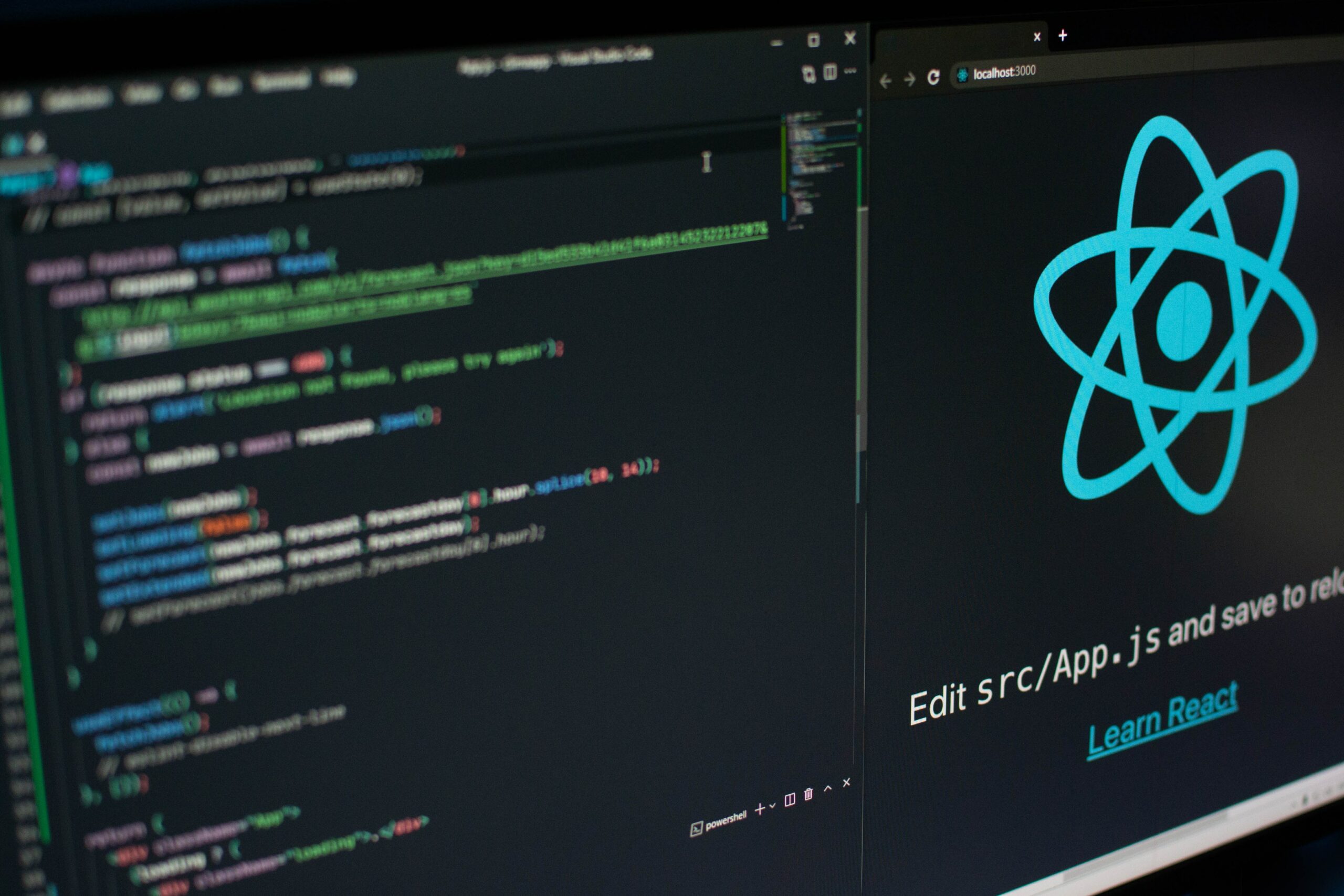
Start from Scratch, Build Your Way Up!
Whether you're new to web development or have experience with other frameworks, our ReactJS course is structured to help you learn at your own pace. From foundational concepts to advanced techniques, we provide all the tools you need to succeed.
- Learn the fundamentals of JavaScript and ES6 to strengthen your ReactJS knowledge
- Dive deep into React's features, including state management, props, and event handling
- Work on real-world ReactJS projects to showcase your skills to future employers
- Access to a supportive community and expert guidance throughout your learning journey
Course Syllabus Overview
This is a brief overview of the syllabus. For more detailed information on each topic, please download the full syllabus.
Download Full SyllabusModule 1: Introduction to React
1.1: What is React?
Understand the basic concepts of React and how it works for building user interfaces.
1.2: Why React?
Learn why React is popular and its advantages over other frameworks.
1.3: React 16 vs React 15
Compare React 16 with React 15 and see the improvements in the newer version.
1.4: Just React – Hello World
Build your first React app with a simple "Hello World" example.
1.5: Using create-react-app
Learn how to set up a React project using the `create-react-app` tool.
Module 2: Components and JSX
2.1: Templating using JSX
Learn how JSX works and how to use it for creating UI components.
2.2: Working with Create Element
Understand how to use `React.createElement` to render components.
2.3: Expressions
Learn how to use JavaScript expressions in JSX.
2.4: Using Logical Operators
Understand the usage of logical operators in JSX for conditional rendering.
2.5: Specifying Attributes and Children
Learn how to pass attributes to components and specify children.
Module 3: Components in Depth
3.1: It’s All About Components
Learn the importance of components in React and how to break down an app into smaller components.
3.2: Types of Components: Functional vs Class-based
Understand the difference between functional components and class-based components.
3.3: Pure Components
Learn about pure components and how they optimize performance in React.
3.4: Component Composition
Understand how to compose components to build larger applications.
Module 4: State and Props
4.1: Working with State and Props
Understand how state and props work in React to manage data flow in components.
4.2: What is State and Its Significance?
Learn about React state, its importance, and how to manage it in components.
4.3: Passing Data to Component Using Props
Learn how to pass data from parent components to child components using props.
4.4: Validating Props Using PropTypes
Learn how to validate props using `PropTypes` to ensure proper data flow.
4.5: Supplying Default Values to Props Using Default Props
Set default values for props using `defaultProps`.
Module 5: Event Handling and Lifecycle Methods
5.1: Event Handling in React
Understand how to handle events like clicks, form submissions, etc., in React components.
5.2: Understanding React Event System
Learn how React handles events in its synthetic event system.
5.3: Understanding Synthetic Event
Learn about synthetic events in React and how they work across different browsers.
5.4: Component Lifecycle
Understand React component lifecycle methods and how to utilize them.
Module 6: Forms and Ref
6.1: Working with Forms in React
Learn how to handle forms in React and manage user input.
6.2: Controlled and Uncontrolled Components
Understand the difference between controlled and uncontrolled components.
6.3: Using React Ref Prop to Get Access to DOM Element
Learn how to use React refs to access DOM elements directly.
Module 7: Routing with React Router
7.1: Setting Up React Router
Learn how to set up React Router to create a multi-page React app.
7.2: Working with Browser Router and Hash Router
Understand the difference between Browser Router and Hash Router in React Router.
7.3: Making Routes Dynamic Using Route Params
Learn how to make routes dynamic with parameters.
7.4: Working with Nested Routes
Understand how to work with nested routes for complex routing logic.
Module 8: Introduction to Redux
8.1: What is Redux?
Learn the basics of Redux, a state management tool for React applications.
8.2: Redux Principles
Understand the core principles of Redux, including actions, reducers, and stores.
8.3: Setting up Redux
Learn how to set up Redux with React using the `react-redux` library.
Learning Support & Career Services
Enhance your learning with real-time help, regular assessments, and expert career guidance.

Live Doubt-Solving Sessions
Attend live Q&A and mentoring sessions to clarify your doubts in real time.

Assignments & Weekly Tests
Regular assessments to track your progress and reinforce learning.

Interview & Career Preparation
Personalized mock interviews, coding interview practice, and resume-building tips.
💥 Limited-Time Discounts on Tech Courses!
Grab your spot and save big on the skills that matter.
🎓 School Student Deal – 30% OFF
Get 30% off beginner-friendly coding, web, and STEM courses! Start your tech journey today.
Get Offer🏫 College Exclusive – 25% OFF
Advance your tech skills with 25% off specialized software and data courses built for college students.
Claim Deal👥 Group Deal – Save up to 40%
Join with 3+ friends and unlock up to 40% in savings! Study together, succeed together.
Join Now⚡ Flash Sale – 50% OFF (24 Hrs!)
Enjoy a massive 50% off any course for the next 24 hours. Don’t miss out!
Special offerReactJS Interview Questions
Necessitatibus eius consequatur ex aliquid fuga eum quidem sint consectetur velit
Conceptual Interview Questions:
1.1: What is ReactJS, and why is it popular in frontend development?
1.2: Explain the difference between class components and functional components in React.
1.3: What are React Hooks, and why were they introduced?
1.4: What is JSX, and how does it differ from HTML?
1.5: What is the Virtual DOM, and how does it work in React?
Programming Questions:
1. Write a React component that displays "Hello, World!".
2. Create a simple React component that accepts user input and displays it dynamically on the page.
Conceptual Interview Questions:
2.1: What are props in React, and how are they passed between components?
2.2: Explain the concept of state in React and how it differs from props.
2.3: What is the role of `useState` in React Hooks?
2.4: How do you handle default props in React components?
2.5: What is prop drilling in React, and how can it be avoided?
Programming Questions:
1. Write a React component that accepts a prop and displays it.
2. Create a React component that changes its state when a button is clicked and displays the updated state.
Conceptual Interview Questions:
3.1: What are React lifecycle methods, and when are they called?
3.2: What is the `componentDidMount()` method, and how is it used?
3.3: Explain the use of `useEffect` Hook in functional components.
3.4: How does `useEffect` work in terms of component re-renders?
3.5: What is the role of `useRef` Hook in React?
Programming Questions:
1. Write a React component that fetches data from an API when it mounts and displays the data.
2. Create a React component that updates the DOM based on changes in component state using `useEffect`.
Conceptual Interview Questions:
4.1: How do you handle form input and state in React?
4.2: What is controlled vs uncontrolled components in React?
4.3: How do you handle validation in React forms?
4.4: How do you submit form data in React, and how can you prevent the default form submission behavior?
Programming Questions:
1. Create a controlled form component in React that captures user input.
2. Write a React form component that validates input fields before submission.
Conceptual Interview Questions:
5.1: What is React Router, and why is it used in React applications?
5.2: How do you define routes in React using React Router?
5.3: Explain the difference between `BrowserRouter` and `HashRouter` in React Router.
5.4: How do you handle route parameters in React?
Programming Questions:
1. Write a simple React app with multiple routes using React Router.
2. Create a dynamic route that accepts parameters and displays them in the component.
Conceptual Interview Questions:
6.1: What is Redux, and why would you use it in a React application?
6.2: What are actions and reducers in Redux?
6.3: What is the store in Redux, and how do you create it?
6.4: Explain the concept of middleware in Redux and give examples.
6.5: What is the role of `connect()` in Redux?
Programming Questions:
1. Create a simple React application with Redux that manages the state of a counter.
2. Write a Redux reducer to handle adding and removing items from a shopping cart.
Conceptual Interview Questions:
7.1: What are higher-order components (HOCs) in React, and how do they work?
7.2: What is React Context API, and how does it compare to Redux?
7.3: What are render props in React?
7.4: How does React handle performance optimization, like `React.memo` and `useMemo`?
Programming Questions:
1. Create a higher-order component that adds logging functionality to a component.
2. Use React Context to pass global state across components.
Conceptual Interview Questions:
8.1: What is Jest, and how is it used for testing in React?
8.2: How do you test React components with Jest and Enzyme?
8.3: What is the purpose of shallow rendering in testing?
8.4: How do you mock API calls in React tests?
Programming Questions:
1. Write a Jest test case for a React component that displays a button.
2. Create a test for a component that fetches data from an API.
Conceptual Interview Questions:
9.1: How would you approach optimizing a React application for performance?
9.2: How would you handle complex form validation in React?
9.3: How do you deploy a React application for production?
Programming Questions:
1. Build a React application that manages CRUD operations for a user database.
2. Create a React app that consumes a third-party API and displays the results in a user-friendly format.
ReactJS Project Ideas
A collection of simple, fun, and practical projects to enhance your ReactJS skills.
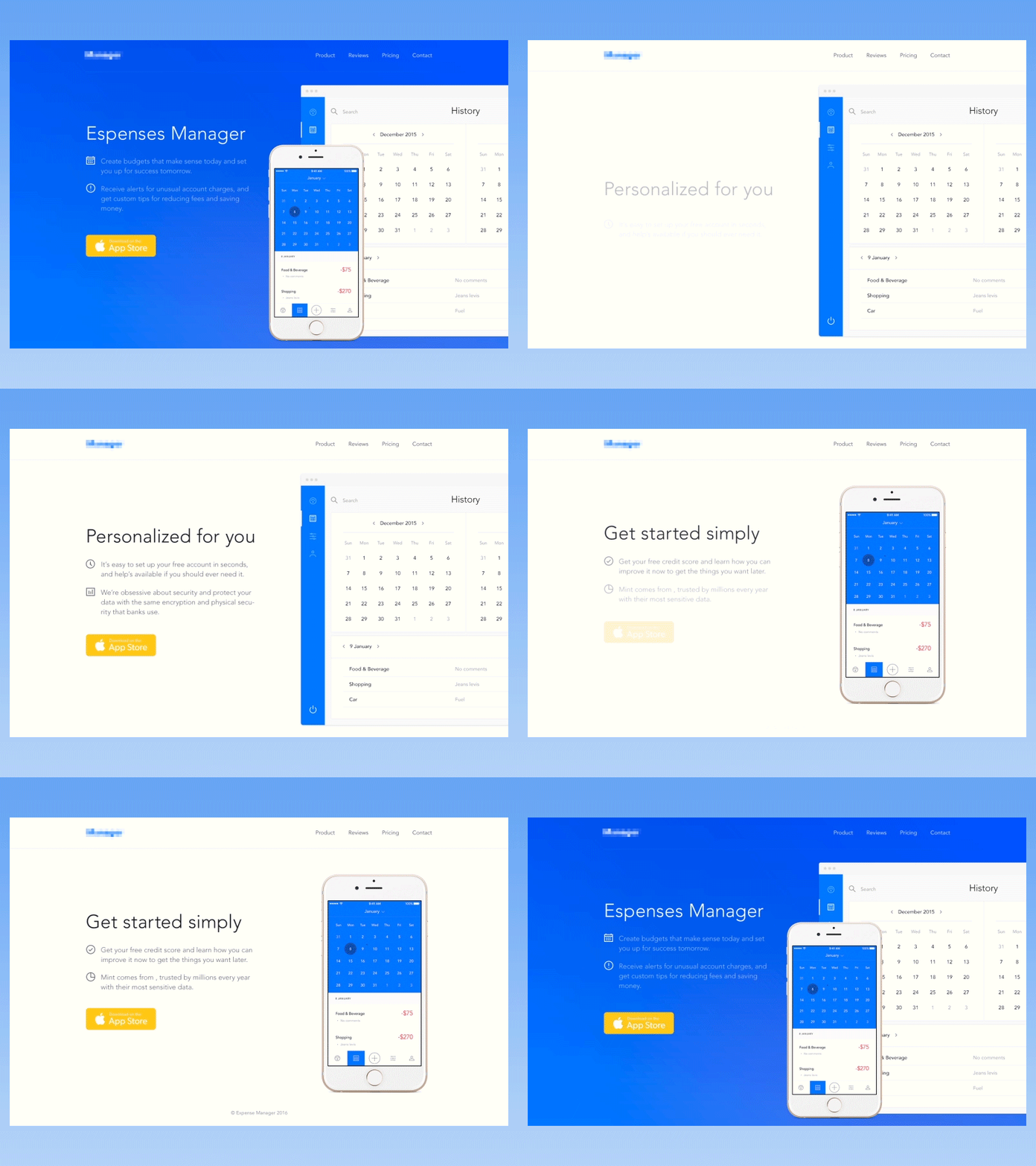
Expense Tracker App
Track your personal expenses and manage your budget.Build an expense tracker application that allows users to add, edit, and categorize their expenses, helping them manage their finances effectively.
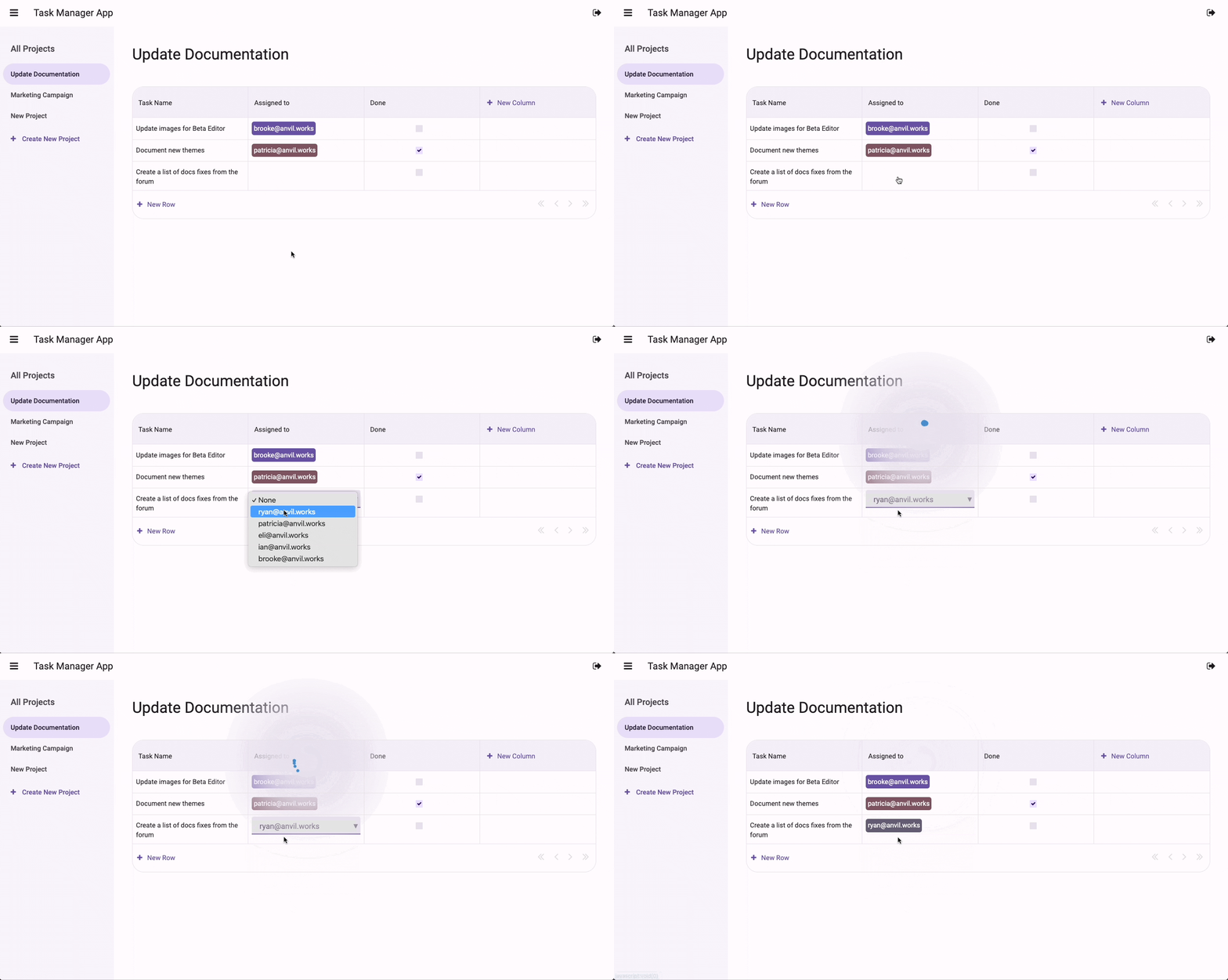
Task Manager App
Efficiently organize and track tasks and deadlines.Create a task manager app where users can set tasks with due dates, prioritize them, and mark them as completed when done.
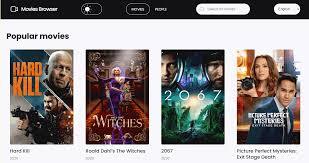
Movie Search App
Find movies and get detailed information using an API.Build a movie search app using the Movie Database API (TMDB), where users can search for movies, view detailed information like cast, ratings, and release dates.
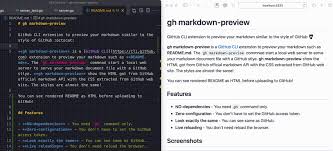
Markdown Previewer
Render Markdown syntax into HTML dynamically.Create a Markdown previewer where users can type Markdown syntax in a text area, and the app will instantly display the formatted HTML output.
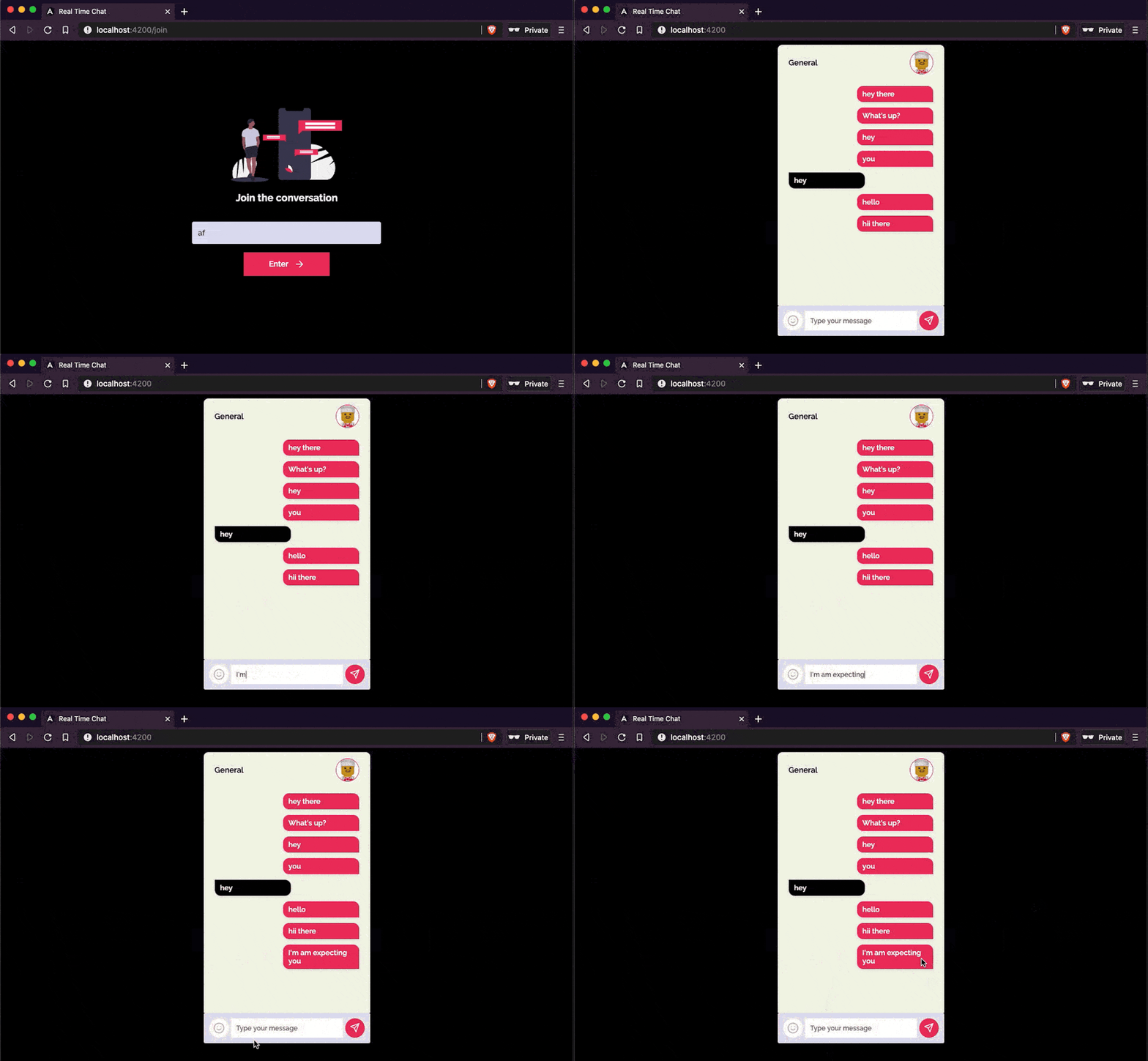
Real-Time Chat App
Implement a real-time chat functionality.Create a real-time chat application using ReactJS and Firebase or Socket.io that allows users to send and receive messages in real-time.
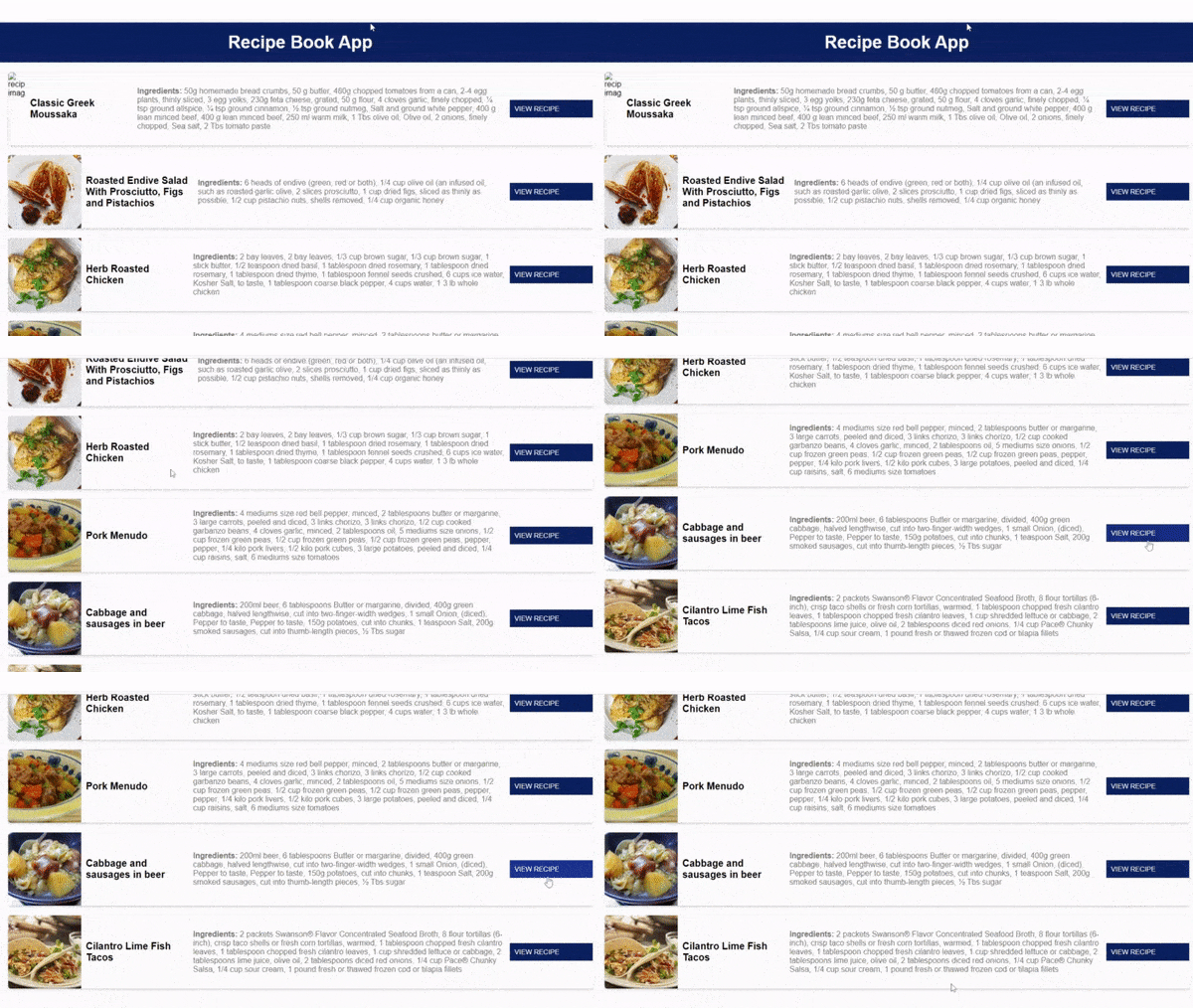
Recipe Book App
Organize and search for recipes in a digital cookbook.Build a recipe book app where users can add, save, and search for recipes, and share them with others. You can integrate a third-party API to fetch recipe details or create your own backend.